
D2C SEO is the process of earning organic search visibility for a direct-to-consumer brand's owned website. It connects non-brand product demand, brand search, product evidence, catalogue architecture, and commercial measurement on a domain the brand controls.
The goal is not to avoid marketplaces or paid media. It is to build an owned discovery system that can introduce the brand, answer the purchase decision, and preserve product knowledge beyond one campaign or platform listing.
What makes D2C ecommerce SEO different?
A multi-brand retailer can inherit demand for known products and brands. A new D2C brand often needs to establish its own entity while competing for non-brand category demand. It also has deeper control over the product story, evidence, customer experience, and first-party data.
The owned site and a marketplace solve different discovery jobs:
| Layer | D2C website | Marketplace or retail platform |
|---|---|---|
| Architecture | Brand controls categories, collections, guides, and internal links | Platform controls taxonomy and listing relationships |
| Product evidence | Brand can publish detailed specifications and origin details, followed by usage and support information | Listing format and field limits control presentation |
| Search | Google and other search systems evaluate the owned pages | Platform controls its own internal ranking and offer selection |
| Customer relationship | Brand operates the direct journey under its consent and policy model | Platform can own substantial parts of identity and communication |
| Measurement | Brand can connect queries, landing pages, product discovery, and orders | Reporting depends on the platform's available fields |
Marketplace participation does not weaken D2C status by itself. The brand can use several channels while the owned store remains the direct transaction and knowledge layer.
Place SEO inside the D2C marketing strategy
D2C digital marketing can create demand through paid media, creators, PR, retail, marketplaces, community, email, or offline activity. Organic search captures some of that demand and introduces the brand to people already expressing a category need.
Separate four effects:
- Brand demand creation: activity causes people to search for the company or product name.
- Brand demand capture: the official site answers branded queries with the right product, policy, or support page.
- Non-brand discovery: categories and guides appear for product, problem, attribute, comparison, or use-case queries.
- Assisted commerce: organic discovery contributes to a later order through the owned store or another channel.
Do not claim that SEO created every branded search. A launch, media feature, creator mention, offline campaign, or marketplace exposure may have created it. The measurement model should preserve those interactions rather than awarding the whole outcome to one channel.
Map brand and non-brand demand separately
Branded demand includes the company name and product names. It also covers founder or entity queries; reviews and offers; official-store searches; shipping details; return and warranty information; plus support. These searches test whether the brand's own pages define the entity and resolve trust questions.
Non-brand demand includes:
- product type and category;
- concern, need, or use case;
- material, ingredient, feature, or compatibility;
- audience, occasion, size, or style;
- comparison and alternative queries;
- usage, care, routine, or troubleshooting;
- price, pack, delivery, or availability modifiers.
Map each cluster to a page owner. Category and collection pages should own commercial sets. Product pages own exact purchasable entities. Guides answer decisions that the catalogue cannot finish. Brand and policy pages resolve navigational and trust needs.
The mapping prevents two failures: writing only top-of-funnel articles while categories remain weak, and forcing every educational query onto a product page.
Build the category system before scaling content
A D2C store may have a narrower catalogue than a marketplace, but that does not remove architecture decisions. Product families, variants, bundles, concerns, uses, materials, ingredients, or compatibility attributes still need controlled relationships.
Start with the product taxonomy. Then decide which cross-category collections have distinct India search demand and a stable assortment. Filters remain part of the browsing experience unless their combination can support a useful canonical page.
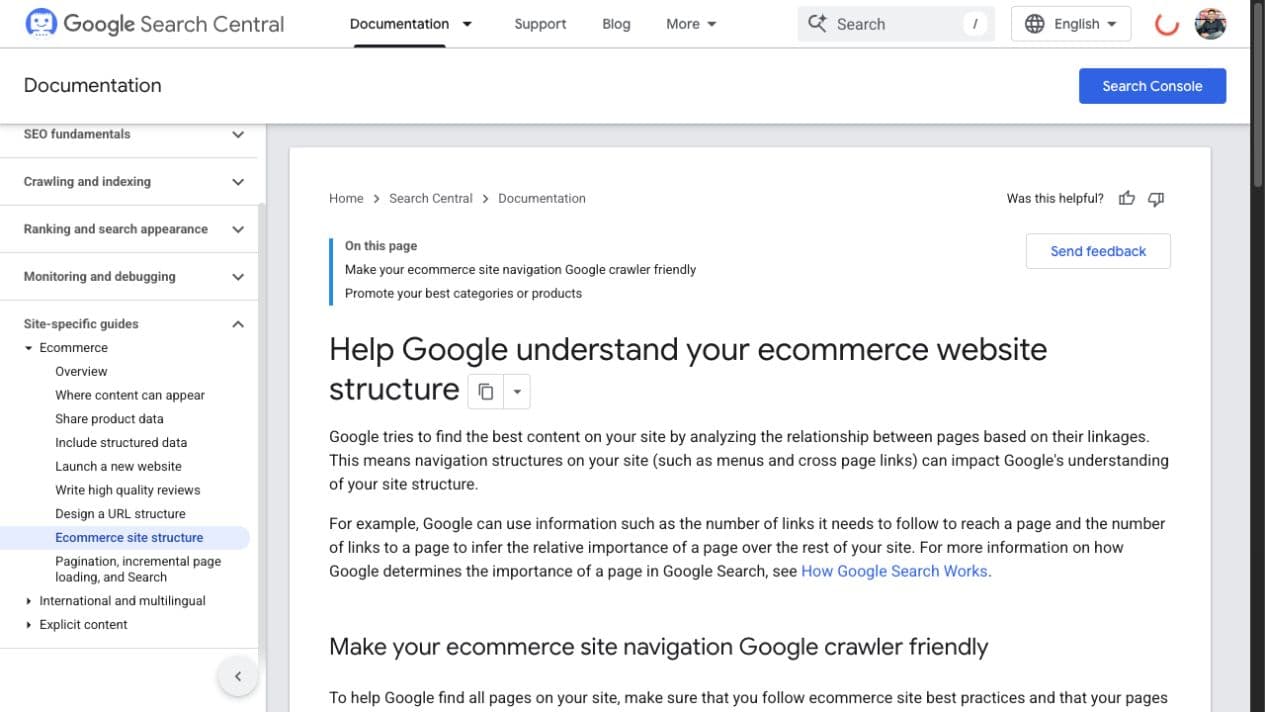
An indexable D2C collection needs:
- one clear user decision;
- enough eligible and available products;
- accurate attribute or selection logic;
- unique explanatory value;
- links from the taxonomy and relevant products;
- a plan for stockouts and product changes;
- no collision with an existing category or guide.
Campaign pages can remain temporary merchandising surfaces. They should not become permanent organic owners unless the demand and content remain useful after the promotion ends.
Make every product page an evidence surface
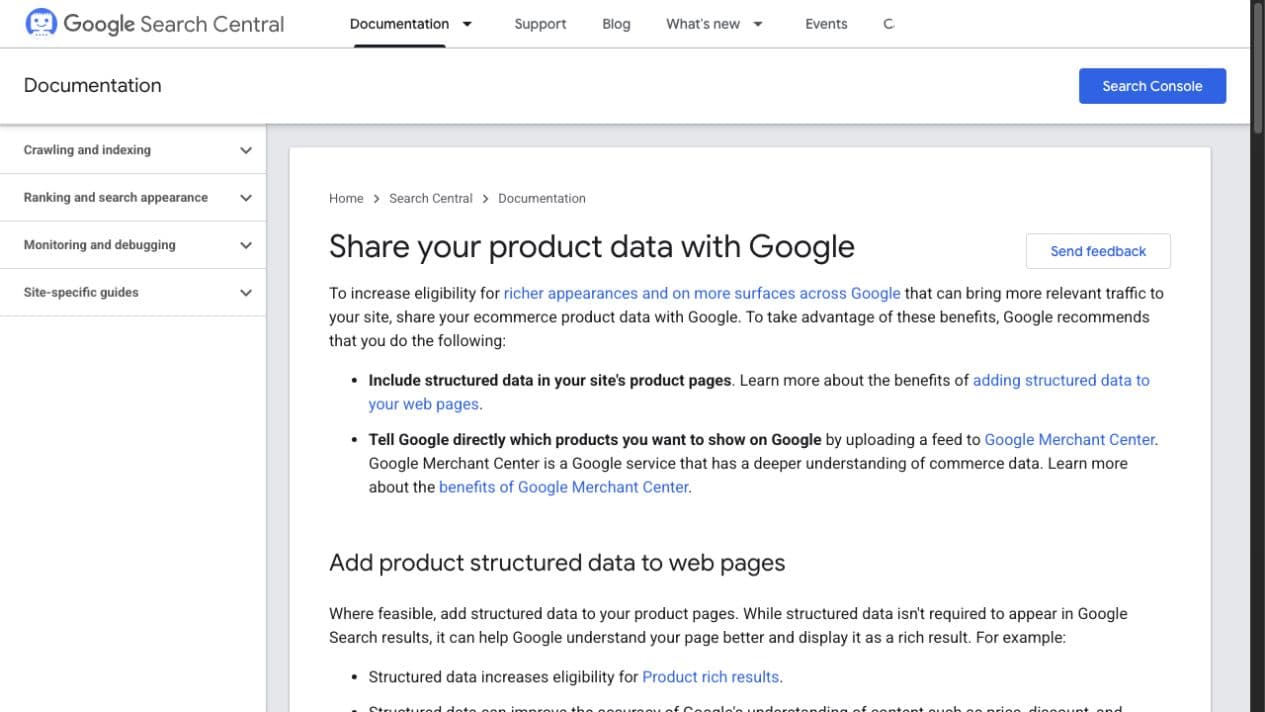
A D2C brand can publish product knowledge that a marketplace listing cannot hold, but the information must be factual and decision-relevant. Useful fields vary by sector. They can cover product identity and model; material and ingredients; dimensions and pack; shade and compatibility; usage and care; origin and test method; warnings; price and availability; delivery terms; return rules; plus warranty coverage.
Connect each claim to its evidence. Founder narrative does not prove product efficacy. A supplier certificate may apply only to a material, batch, geography, or period. A customer review describes one experience and should not be rewritten as the brand's universal promise.
Keep visible product information aligned with structured data and merchant feeds. Marketplace records and inventory data should describe the same item. Support documentation should match too. Consistency makes the entity easier to interpret and reduces customer conflict.
Use brand story where it answers a trust question
Origin and founder information can strengthen the brand entity when it is specific and verifiable. Manufacturing, sourcing, design choices, and company milestones can do the same. They belong on stable About, process, evidence, or product pages, not repeated as promotional filler on every category.
A useful brand evidence page states:
- who the company is and which entity operates the store;
- what it makes or sells;
- where the product and company information applies;
- how material claims are supported;
- who wrote or reviewed specialised guidance;
- which policies govern delivery and returns; privacy; and customer support;
- when volatile information was last reviewed.
That structure also helps answer systems connect the brand to products and attributes. It does not guarantee an AI recommendation.
Build content clusters from customer decisions
A D2C content cluster should surround a commercial owner with the questions that precede and follow the purchase. A skincare category may connect to ingredient and concern pages, plus routine, comparison, and usage guidance. An appliance category may connect to specification, room size, and running cost pages. Installation and maintenance can sit elsewhere, with compatibility handled where that decision belongs.
Create the cluster top down:
- define the central product or category entity;
- map attributes and customer decisions;
- check the live India SERP and existing owners;
- classify each fan-out as a section, internal link, or separate page;
- collect evidence and an original contribution;
- publish with deliberate internal links;
- measure the affected query and product groups;
- consolidate pages that drift into the same intent.
Keep each content cluster tied to one customer decision and one page owner. If two pages answer the same decision, consolidate them or give each page a different job before publishing more content.
Earn authority by doing something worth referencing
D2C brands can earn mentions through product innovation, original research, expert contribution, transparent manufacturing evidence, design, community activity, partnerships, company milestones, or useful tools. The activity comes first; outreach helps the right editors discover it.
Avoid turning digital PR into invented data. A survey needs a disclosed sample and method, along with its field date and limitations. A “study” made from unexplained internal numbers is not an authority asset. Funding and leadership claims need current primary evidence, as do ownership and company-size statements.
Authority should reinforce a relevant entity or page. A lifestyle mention can support the brand; a technical study can support a product or research hub. Not every mention needs an exact-match link, and not every available link is worth pursuing.
Connect marketplace and owned-store learning
Marketplace search terms and customer questions can reveal useful language for the owned store. Review themes and stockouts add other signals. Returns and product comparisons do as well. They are inputs, not proof that Google demand behaves the same way.
Use marketplace observations to ask better questions:
- Is an attribute missing from the D2C taxonomy?
- Does the product page answer a recurring compatibility or usage issue?
- Is a return reason caused by expectation mismatch?
- Does a pack or variant need a clearer relationship?
- Can the owned site provide evidence that the listing cannot show?
Do not copy marketplace product descriptions, reviews, or category text. Govern the underlying facts and write for the direct customer journey.
Adapt D2C SEO to Indian shopping and fulfilment conditions
Indian D2C discovery is shaped by more than the product name. Shoppers may qualify a purchase by pack size, price band, pin-code availability, cash on delivery, delivery time, language, climate, material, ingredient, compatibility, or return terms. Use verified demand and customer evidence to decide which attributes belong in category copy, product fields, filters, guides, or policy pages.
Do not turn every city, language, or delivery modifier into an indexable page. A page needs a distinct customer job, accurate availability information, useful content, and a maintained internal-link path. Otherwise, keep the modifier in navigation, on-page details, or the relevant fulfilment and support experience.
Commercial measurement must also survive the order lifecycle. An organic order that is cancelled, returned, refunded, or becomes RTO is not equivalent to retained revenue. Review these outcomes by landing-page and product group so search work does not optimise for orders the business cannot fulfil profitably.
Marketplace and quick-commerce data can reveal customer language, fast-moving packs, availability problems, and comparison behaviour. Use those signals to improve the owned store, but do not assume that visibility or conversion inside another platform predicts Google demand.
Measure D2C SEO without hiding the channel mix
Build a reporting chain from search visibility to the product and order systems.
| Layer | D2C question |
|---|---|
| Query | Did brand or non-brand demand reach the intended owner? |
| Landing page | Did the visit continue into relevant category or product discovery? |
| Product | Was the viewed variant eligible and available, with an accurate representation? |
| Order | Did the journey contribute to a completed order under the attribution policy? |
| Post-order | Did cancellation, RTO, return, refund, or support change the commercial result? |
| Retention | Did an eligible customer return within the product's natural purchase cycle? |
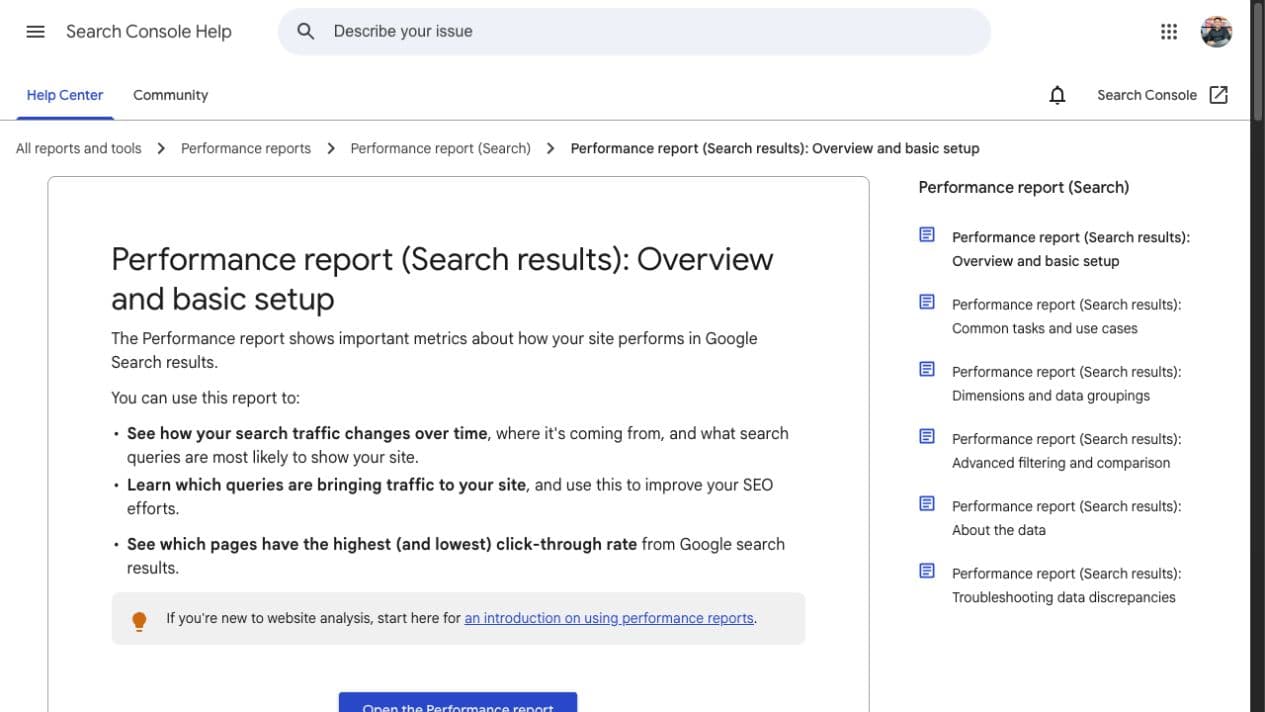
Report brand and non-brand query groups separately. Also separate new and returning customers where consent and identity rules allow. A blended organic-revenue figure can rise because brand demand increased while non-brand discovery remained unchanged.
D2C SEO and AI search
AI platforms can retrieve or cite product guides and brand evidence, along with comparisons and category explanations. They can also generate fan-out queries that a user never typed verbatim. Prepare the source, not a collection of “ChatGPT SEO” hacks.
That boundary matters.
The source needs stable entities, explicit relationships, supported claims, accessible pages, internal links, and useful answer passages. Product facts should remain consistent across the owned site and structured data. Original evidence needs a method and date.
Track AI observations separately from Google Search Console. Store the platform, prompt set, date, cited page, response, and limitations. A mention is not a click, and a citation is not a sale.
A staged D2C ecommerce SEO plan
Sequence the work by dependency:
- Foundation: analytics definitions and Search Console, followed by crawl and index review, the product source, and a baseline.
- Ownership: query map, taxonomy, categories, collections, product families, brand pages, and policies.
- Reliability: internal links, canonicalisation, structured data, feeds, availability, and mobile performance.
- Depth: category help and product evidence, followed by comparison pages, education and original assets.
- Authority: relevant mentions and links connected to real company activity.
- Learning: release notes and impact checks; query reporting; product-group reporting; consolidation; and monthly refresh.
The order can change when evidence shows a different blocker. A technically healthy brand with sound categories may begin with missing product evidence. A large store with thousands of duplicate URLs should fix ownership before adding content.
When does a D2C brand need outside SEO help?
Outside support is useful when the constraint crosses several owners: merchandising controls the taxonomy, developers control templates and rendering, content teams own buying guidance, and analytics teams define revenue. It is also useful when the team cannot explain which page group owns demand or which release changed commercial performance.
Keep the work in-house when those responsibilities are assigned and the team can diagnose problems, release changes and measure results consistently. Bring in a specialist when an independent catalogue review, platform-specific implementation, or cross-functional release plan will remove a clear bottleneck.
D2C SEO questions Indian brands ask
What is D2C SEO?
D2C SEO builds organic discovery for a direct-to-consumer brand's owned store. It connects brand and non-brand search demand to categories and products, with guides and evidence supporting the decision. Policies and commercial measurement stay on the domain the brand controls.
How is D2C SEO different from marketplace SEO?
A D2C website controls its information architecture and product story. It also controls internal links and policies, plus the direct customer journey. A marketplace controls its taxonomy, listing rules, internal ranking system, and much of the transaction data, so the two channels need connected but separate strategies.
Which pages should a D2C brand optimise first?
Start with the page group causing the largest verified constraint. That may be categories without non-brand visibility, product pages with weak or inconsistent evidence, duplicate filter URLs, or policy and brand pages that fail to resolve trust questions.
How should a D2C brand measure SEO?
Separate brand and non-brand query visibility, then connect landing pages to product discovery, eligible inventory, completed orders, cancellations, returns, retained revenue, and repeat behaviour. Keep Search Console, analytics, order, and finance measures distinct until their definitions and dates align.
Can D2C SEO improve visibility in AI search?
Accessible pages, stable entities, supported claims, explicit relationships, and concise answer passages can make a brand's information easier to retrieve or cite. No schema, content format, or service can guarantee a mention, citation, click, or sale from an AI platform.
The broader ecommerce SEO strategy covers the full operating sequence. Use the ecommerce glossary for D2C, marketplace, AOV, GMV, RTO, quick commerce, and other controlled definitions. If the store needs a page-level and catalogue-level plan, contact EcommerceSEO.